
Dental veneers are a popular cosmetic solution for those looking to transform their smiles. Whether you’re dealing with chipped, discolored, or misaligned teeth, veneers offer a fast and effective way to achieve a flawless appearance. But what exactly are dental veneers, and are they the right choice for you?
In this guide, we’ll explore everything you need to know about dental veneers, including how they work, the different types available, the procedure itself, and what you can expect in terms of results and longevity.
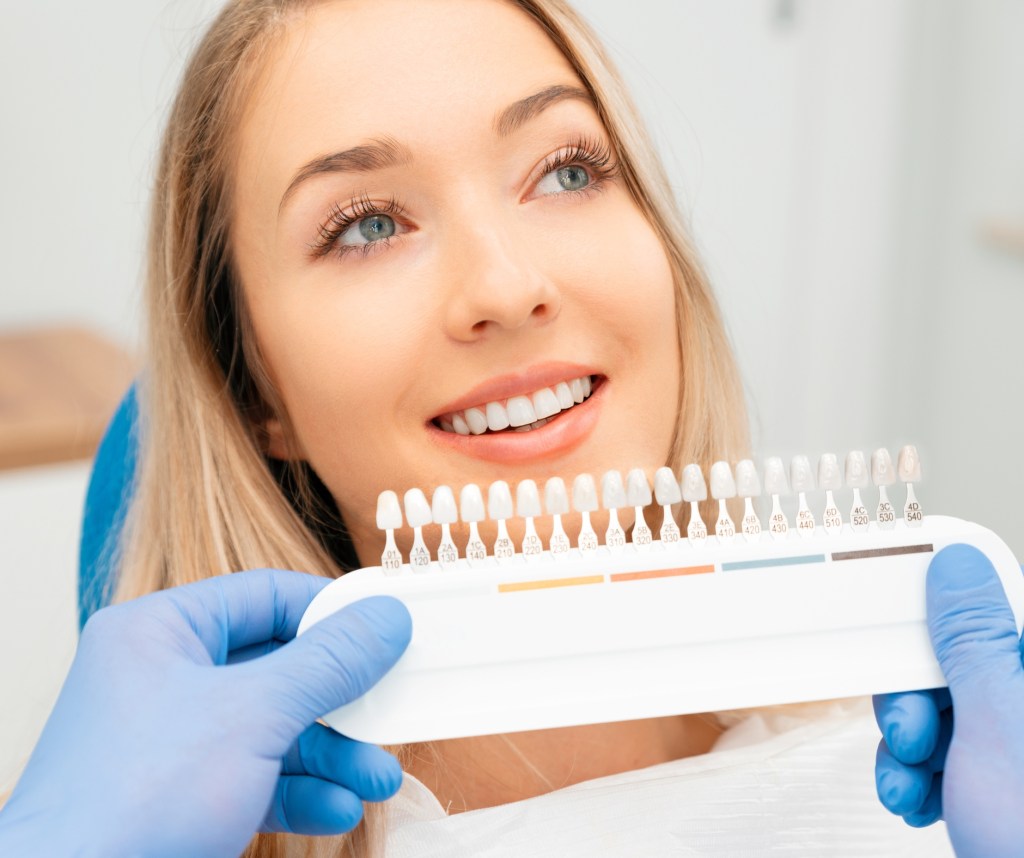
What Are Dental Veneers?
Dental veneers are thin, custom-made shells designed to cover the front surface of your teeth. They are typically made from porcelain or composite resin and are bonded to the tooth to enhance its appearance. Veneers are used to correct a variety of cosmetic dental issues, such as:
- Discolored teeth that don’t respond to whitening
- Worn or chipped teeth
- Gaps between teeth
- Misaligned or irregularly shaped teeth
The result is a natural-looking, long-lasting smile that can significantly boost your confidence. Because veneers are individually crafted to match the shape and color of your natural teeth, they blend seamlessly into your smile.
Types of Dental Veneers
There are two main types of dental veneers:
1. Porcelain Veneers
Porcelain veneers are the most common type of veneer and are known for their durability and natural appearance. They are custom-made in a dental lab and require a small amount of enamel to be removed from your teeth to ensure a proper fit. Porcelain veneers are highly resistant to staining and can last 10 to 15 years or more with proper care.
2. Composite Veneers
Composite veneers are made from a tooth-colored resin and can often be applied in a single visit to your dentist. While they are less expensive than porcelain veneers, they are not as durable and may require more maintenance over time. Composite veneers typically last between 5 and 7 years.
Your dentist will help you decide which type of veneer is best for you, depending on your needs, budget, and the overall condition of your teeth.
The Dental Veneer Procedure
The process of getting dental veneers usually involves three steps:
1. Consultation
Your first visit will involve a consultation with your dentist to discuss your goals and determine if veneers are the right option for you. Your dentist will evaluate your teeth, take X-rays, and possibly make impressions of your teeth. This is also the time to discuss the material options—porcelain or composite—and how many veneers you might need.
2. Preparation
Once you decide to move forward with veneers, your dentist will prepare your teeth by removing a small amount of enamel from the surface—typically less than 1 millimeter. This step ensures that the veneers will fit properly and not look bulky. After the enamel is removed, your dentist will take impressions of your teeth, which will be sent to a lab to create your custom veneers. This process may take 1 to 2 weeks.
During this time, you may be given temporary veneers to protect your teeth and give you an idea of what your final smile will look like.
3. Bonding
When your custom veneers are ready, you’ll return to the dentist for the final fitting. Your dentist will carefully place each veneer on your teeth to ensure a perfect fit and natural appearance. The veneers are then bonded to your teeth using a special cement, which is hardened using a curing light. After the bonding is complete, your dentist will make any necessary adjustments and polish your new veneers to give you a beautiful, natural-looking smile.
How to Care for Dental Veneers
Taking proper care of your veneers is essential to ensuring their longevity and keeping your smile bright. Here are a few tips to maintain your veneers:
- Brush and floss regularly: Treat your veneers like your natural teeth by brushing twice a day and flossing daily. Use a non-abrasive toothpaste to avoid scratching the surface of the veneers.
- Avoid hard or sticky foods: Biting down on hard foods like ice or candy can chip or damage your veneers. Similarly, avoid sticky foods like toffee or caramel, which can cause veneers to loosen over time.
- Limit staining beverages: While porcelain veneers are stain-resistant, composite veneers can be more prone to discoloration. To maintain a white smile, limit beverages like coffee, tea, and red wine.
- Wear a mouthguard: If you grind your teeth at night, wearing a mouthguard can protect your veneers from wear and tear. It’s also a good idea to wear a mouthguard if you play contact sports.
- Regular dental check-ups: Routine visits to your dentist will help ensure your veneers stay in good condition. Your dentist can also recommend additional steps to keep your smile looking great.
The Benefits of Dental Veneers
Veneers are a versatile and effective cosmetic solution for many dental concerns. Here are some of the key benefits:
- Natural Appearance: Porcelain veneers mimic the look of natural teeth, providing a beautiful, seamless smile.
- Stain Resistance: Porcelain veneers are highly resistant to stains from foods and drinks, keeping your smile bright.
- Durability: With proper care, veneers can last for many years, making them a long-term solution for improving your smile.
- Minimal Tooth Reduction: Unlike crowns, veneers require only a small amount of enamel to be removed, preserving the natural structure of your teeth.
What Are the Potential Drawbacks of Veneers?
While veneers offer many benefits, there are also some potential drawbacks to consider:
- Irreversible: The removal of enamel means that getting veneers is a permanent procedure. Once applied, they cannot be reversed.
- Cost: Veneers, particularly porcelain ones, can be expensive. However, many patients find that the investment is worthwhile for the long-lasting results.
- Not Suitable for All Teeth: Veneers may not be the best option for severely damaged teeth or for those with significant alignment issues. In such cases, other treatments like crowns or orthodontics may be recommended.
How Long Do Dental Veneers Last?
Porcelain veneers typically last between 10 and 15 years, but with good care, they can last even longer. Composite veneers have a shorter lifespan, usually between 5 and 7 years, due to their material’s nature. However, regular brushing, flossing, and dental check-ups can help prolong the life of both types of veneers. Additionally, avoiding habits like biting your nails, chewing ice, or using your teeth as tools can prevent premature damage to your veneers.
If a veneer becomes damaged or worn over time, it can usually be replaced without much difficulty. Be sure to consult your dentist regularly to monitor the condition of your veneers and make any necessary adjustments.
Final Thoughts
Dental veneers offer a fantastic way to transform your smile and correct a variety of cosmetic issues. Whether you opt for porcelain or composite veneers, the results can be life-changing, giving you a confident and radiant smile. While the procedure is permanent, the benefits are long-lasting, especially with the right care and maintenance.
If you’re considering veneers, consult your dentist to discuss your options, the procedure, and the long-term results you can expect. Investing in your smile is investing in your confidence and well-being.
 The Denal Journal