
A bright, white smile can boost your confidence and leave a lasting impression. Over time, however, teeth can become stained and discolored from coffee, tea, wine, tobacco, or simply the natural aging process. Professional teeth whitening is a popular and effective solution for restoring the shine to your smile. But what exactly does professional teeth whitening involve, and what should you know before getting the procedure done?
In this guide, we’ll cover everything you need to know about professional teeth whitening, including how it works, the different options available, and what you can expect during and after the treatment. Plus, we’ll discuss some potential side effects and how to minimize them.
How Does Professional Teeth Whitening Work?
Professional teeth whitening involves applying a bleaching agent to your teeth to lighten the stains and discoloration. The active ingredient in most whitening treatments is either hydrogen peroxide or carbamide peroxide, which breaks down the stains on your enamel and makes your teeth appear whiter.
There are two main types of professional teeth whitening:
1. In-Office Teeth Whitening
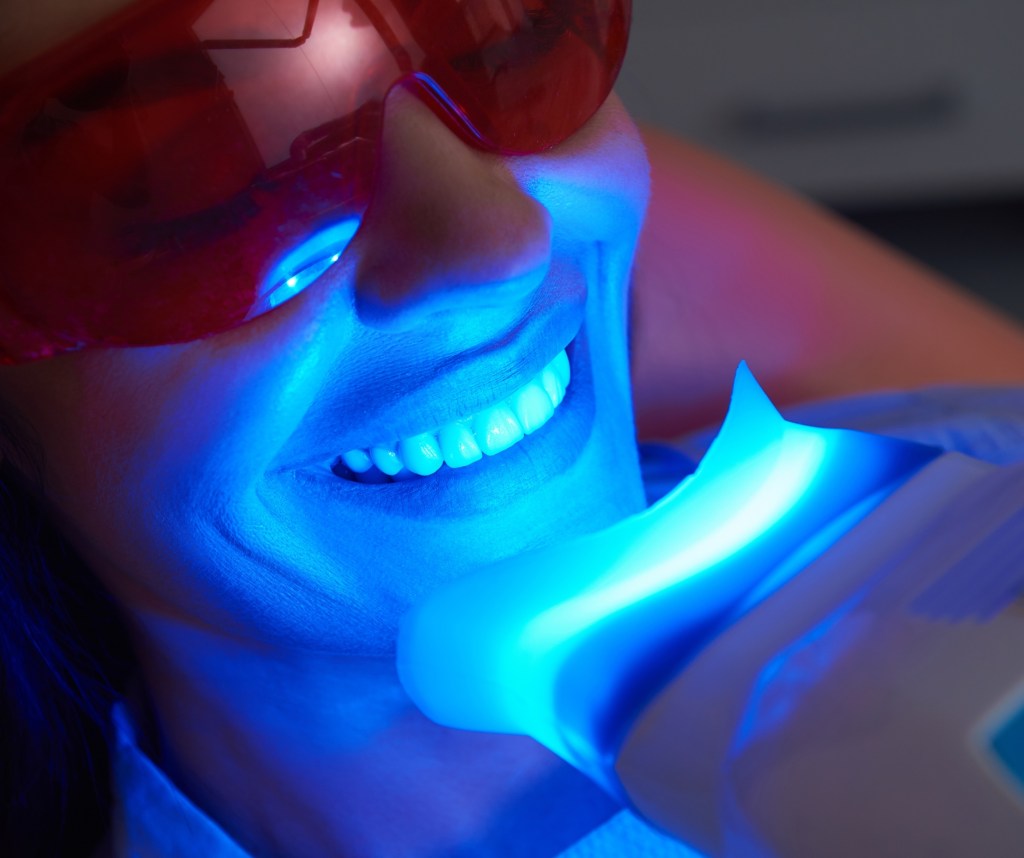
In-office whitening treatments are performed by your dentist and can significantly brighten your smile in just one session. During the procedure, a highly concentrated whitening gel is applied to your teeth, sometimes in combination with a special light or laser to accelerate the process. This method can whiten your teeth by several shades in a single visit, with results often visible immediately.
2. Take-Home Whitening Kits
Take-home kits provided by your dentist are another option for professional whitening. These kits include custom-fitted trays and a whitening gel that’s less concentrated than the one used in-office. You’ll wear the trays for a specific period each day (usually for a few hours or overnight) for about one to two weeks, depending on the desired results. This method allows for more gradual whitening but can be just as effective as in-office treatments.
How Long Do the Results Last?
The results of professional teeth whitening can last six months to two years, depending on your lifestyle and oral hygiene habits. To maintain your bright smile, it’s important to avoid or limit staining foods and beverages, such as coffee, tea, red wine, and tobacco. Regular brushing, flossing, and dental cleanings also help prolong the effects of the treatment.
Some dentists also recommend occasional touch-up treatments with take-home whitening kits to maintain the brightness of your teeth over time.
What to Expect During Professional Teeth Whitening
Before undergoing a whitening treatment, your dentist will perform a thorough examination to ensure that your teeth and gums are healthy enough for the procedure. They may also clean your teeth to remove surface stains and plaque, which can enhance the whitening results.
Here’s a breakdown of what to expect during the treatment:
- Preparation: If you’re having an in-office treatment, your dentist will begin by protecting your gums and soft tissues with a protective barrier or gel. This is to ensure that the whitening agent doesn’t irritate or damage your gums.
- Application of Whitening Agent: The dentist will apply the whitening gel to the surfaces of your teeth. Depending on the product used, the gel may be left on for 15 to 30 minutes, and sometimes a light or laser is used to activate or speed up the whitening process.
- Rinsing and Reapplication: The gel will be removed, and the process may be repeated one or two more times during the session, depending on the desired level of whitening.
- Final Rinse and Check: Once the treatment is complete, your dentist will rinse your mouth and check the results. You’ll notice immediate improvements in the brightness of your smile.
For take-home kits, your dentist will provide detailed instructions on how to use the trays and whitening gel at home. It’s important to follow these instructions carefully to achieve the best results.
What Are the Side Effects of Teeth Whitening?
While professional teeth whitening is generally safe, there are some potential side effects to be aware of. Most side effects are temporary and subside shortly after treatment. Here are the most common side effects:
1. Tooth Sensitivity
Increased tooth sensitivity is the most common side effect of teeth whitening. The whitening agents can temporarily irritate the nerves in your teeth, making them more sensitive to hot, cold, or sweet foods and beverages. Sensitivity typically lasts for a few days after the treatment and can be managed with toothpaste designed for sensitive teeth.
2. Gum Irritation
If the whitening gel comes into contact with your gums, it can cause mild irritation or a burning sensation. Dentists take precautions to protect your gums during in-office treatments, but some irritation can still occur, especially if you’re using a take-home kit. Gum irritation usually resolves within a few hours to a couple of days.
3. Uneven Whitening
If you have dental restorations, such as crowns, veneers, or fillings, these will not whiten along with your natural teeth. This can lead to uneven whitening, where the natural teeth appear brighter than the restorations. In some cases, your dentist may suggest replacing or adjusting your restorations to match your newly whitened teeth.
4. Temporary White Spots
Some people may notice temporary white spots on their teeth immediately after whitening. These spots usually occur due to dehydration of the teeth during the treatment and typically disappear within a day or two as the teeth rehydrate.
How to Minimize Side Effects
While side effects from teeth whitening are generally mild and temporary, there are steps you can take to minimize them:
- Use desensitizing toothpaste: If you experience tooth sensitivity, switching to a toothpaste designed for sensitive teeth can help reduce discomfort.
- Avoid hot and cold foods: To minimize sensitivity after whitening, avoid consuming very hot or cold foods and drinks for a few days.
- Follow your dentist’s instructions: If you’re using a take-home kit, be sure to follow your dentist’s instructions carefully to avoid overuse of the whitening gel, which can increase the risk of sensitivity and irritation.
- Limit whitening treatments: Avoid over-whitening your teeth, as frequent treatments can lead to increased sensitivity and potential damage to your enamel.
Is Professional Teeth Whitening Right for You?
If you’re looking for a quick and effective way to brighten your smile, professional teeth whitening may be a great option. It’s especially beneficial if you have surface stains from food, drinks, or smoking. However, if you have sensitive teeth or gum issues, it’s important to discuss these concerns with your dentist before undergoing the procedure. They can recommend the best course of action to minimize discomfort and achieve the results you desire.
Final Thoughts
Professional teeth whitening is a highly effective way to restore the brightness of your smile and boost your confidence. Whether you opt for an in-office treatment or a take-home kit, it’s essential to follow proper care and maintenance practices to enjoy long-lasting results. By understanding the potential side effects and taking steps to prevent them, you can achieve a brighter smile with minimal discomfort.
 The Denal Journal