
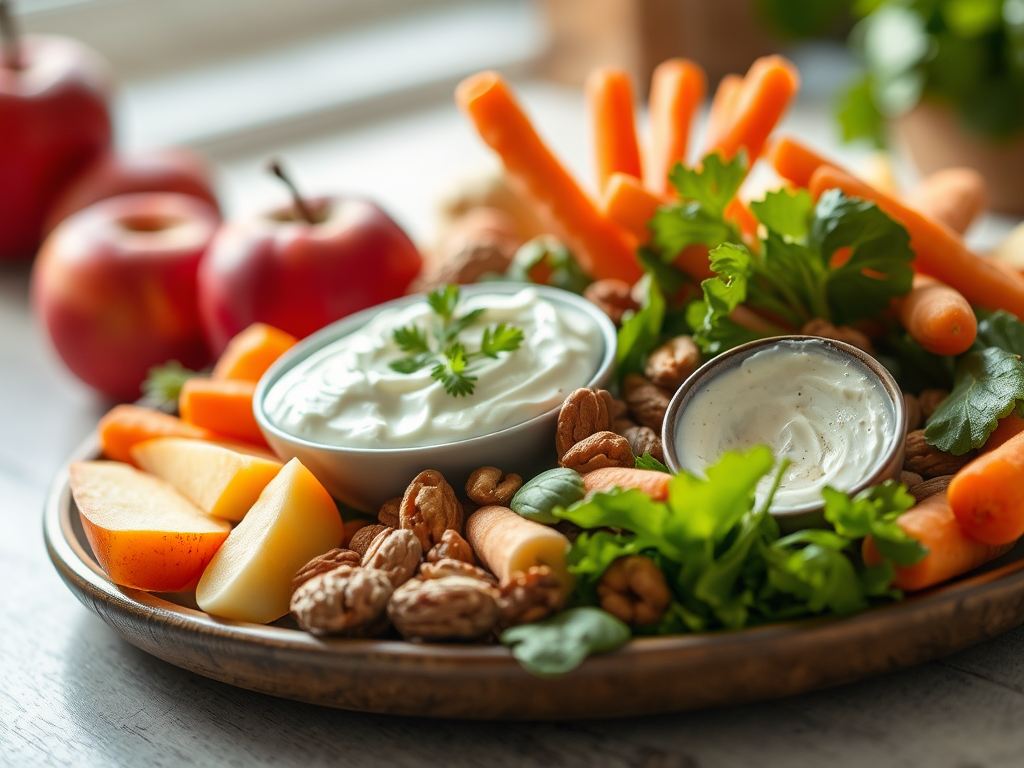
When it comes to maintaining a healthy smile, brushing and flossing aren’t the only factors at play. The food you eat can have a significant impact on your oral health. Certain foods can help strengthen your teeth, reduce plaque buildup, and keep cavities at bay, while others can promote tooth decay and gum disease. In this blog post, we’ll explore the best foods for your teeth, and how you can build a cavity-free diet.
1. Crunchy Fruits and Vegetables
Crunchy fruits and vegetables are excellent for your teeth because they require chewing, which stimulates saliva production. Saliva is your mouth’s natural defense mechanism, helping to wash away food particles and bacteria that lead to tooth decay.
- Apples: Known as “nature’s toothbrush,” apples are high in water and fiber, making them great for scrubbing your teeth as you chew. The act of eating apples stimulates your gums, which promotes better oral health.
- Carrots and Celery: These vegetables are not only rich in fiber but also packed with water, which helps cleanse your teeth. Celery, in particular, contains fibrous strands that act like a natural floss for your teeth.
2. Dairy Products
Dairy products are rich in calcium, phosphorus, and casein, all of which help strengthen tooth enamel and repair early signs of decay. They are also low in sugar, making them a safer choice compared to many other snacks.
- Cheese: Eating cheese can neutralize acids in your mouth and raise the pH level, which helps reduce the risk of tooth decay. The high calcium content also helps strengthen enamel.
- Yogurt: Yogurt is high in calcium and probiotics, the “good” bacteria that can crowd out harmful bacteria in your mouth. Just make sure to choose unsweetened yogurt to avoid added sugars that could harm your teeth.
- Milk: Milk is a powerhouse for teeth, as it’s loaded with calcium and vitamin D, both essential for building and maintaining strong teeth and bones.
3. Leafy Greens
Leafy greens, like spinach, kale, and broccoli, are excellent for your overall health, and they provide plenty of benefits for your teeth as well. These greens are high in calcium and folic acid, which help protect your teeth from enamel erosion and strengthen your gums.
- Spinach and Kale: These greens are loaded with vitamins and minerals, particularly calcium, which is essential for tooth health. Their fibrous texture also helps clean your teeth as you chew.
- Broccoli: Besides being rich in calcium, broccoli forms a protective film on your teeth when you eat it raw, helping to protect against acids and prevent enamel wear.
4. Nuts and Seeds
Nuts and seeds are another great food group for your teeth. They’re packed with essential nutrients, like calcium and phosphorus, that help maintain strong enamel. They also stimulate saliva production, helping to clean your mouth naturally.
- Almonds: Almonds are rich in calcium and protein while being low in sugar, making them a perfect snack for healthy teeth.
- Sesame Seeds: Sesame seeds are not only high in calcium, but their slightly abrasive texture helps remove plaque as you chew. They’re great for maintaining strong enamel and gum health.
5. Fish Rich in Omega-3 Fatty Acids
Fatty fish like salmon, mackerel, and sardines are excellent sources of vitamin D and omega-3 fatty acids, both of which are essential for maintaining healthy teeth and gums. Vitamin D helps your body absorb calcium, while omega-3 fatty acids reduce inflammation and lower the risk of gum disease.
- Salmon: Rich in vitamin D, salmon helps you absorb calcium more efficiently, ensuring your teeth and bones stay strong.
- Mackerel and Sardines: These fish are high in omega-3 fatty acids, which can reduce inflammation in your gums and prevent periodontal disease.
6. Water
While not technically a “food,” water is one of the best things you can consume for your oral health. Staying hydrated helps your body produce saliva, which washes away harmful bacteria and food particles. Fluoridated water is even better, as fluoride strengthens enamel and helps prevent tooth decay.
- Drink plenty of water throughout the day, especially after meals and sugary snacks, to wash away food particles and maintain a healthy pH balance in your mouth.
7. Green and Black Tea
Green and black teas contain polyphenols, which are compounds that help reduce the growth of bacteria in your mouth. This means that drinking tea can lower the risk of cavities and gum disease.
- Green tea: Loaded with antioxidants, green tea has anti-inflammatory properties that can help reduce gum disease.
- Black tea: While black tea may stain teeth over time, it still contains beneficial polyphenols that combat harmful bacteria. Just be mindful of your intake and rinse your mouth with water afterward.
Foods to Avoid for a Healthy Smile
While certain foods promote dental health, others can do more harm than good. Here are some foods to limit or avoid:
- Sugary snacks: Foods high in sugar, like candy, cookies, and cakes, feed harmful bacteria in your mouth, leading to acid production that weakens enamel.
- Sticky foods: Sticky foods, such as caramel, dried fruit, and gummy candies, cling to your teeth and are difficult to remove, increasing the risk of cavities.
- Soda and sugary drinks: Soft drinks are packed with sugar and acids, which erode enamel and promote tooth decay. Even sugar-free sodas can be harmful due to their high acid content.
- Citrus fruits: While fruits like oranges and grapefruits are good for your overall health, their high acid content can erode enamel. If you consume citrus, rinse your mouth with water afterward to neutralize the acids.
Conclusion: Eat Your Way to a Healthy Smile
By incorporating these tooth-friendly foods into your diet, you can promote strong teeth, healthy gums, and a bright smile. Focus on foods rich in calcium, fiber, and antioxidants while limiting sugary and acidic foods. Combine this diet with regular brushing, flossing, and dental visits, and you’ll be well on your way to a cavity-free mouth.
A healthy diet doesn’t just benefit your body – it’s key to maintaining a beautiful, healthy smile for life!
 The Denal Journal